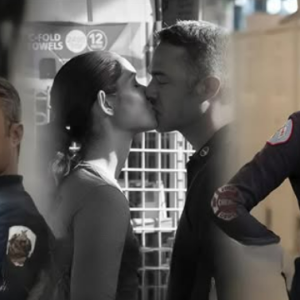
For over 13 years, Chicago Fire has thrilled fans with blazing rescues, emotional twists, and shocking finales. From explosive warehouse infernos to devastating goodbyes, the series has built a reputation for leaving viewers both breathless and desperate for more.
But even with over a decade of jaw-dropping episodes, one moment still stands tall. The closing five minutes of the Chicago Fire Season 1 finale, “A Hell of a Ride”, remain the most powerful scene the series has ever delivered. It was a game-changing sequence that set the tone for everything the show would become.
The Setup: A False Sense of Calm
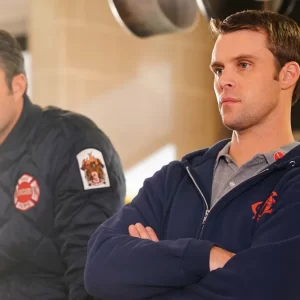
Going into the finale, the mood was subdued compared to the season’s usual chaos. Lieutenant Matt Casey (Jesse Spencer) was still reeling from personal tragedy. Kelly Severide (Taylor Kinney) was wrestling with secrets about his painkiller addiction. The firehouse itself was under pressure, its future uncertain.
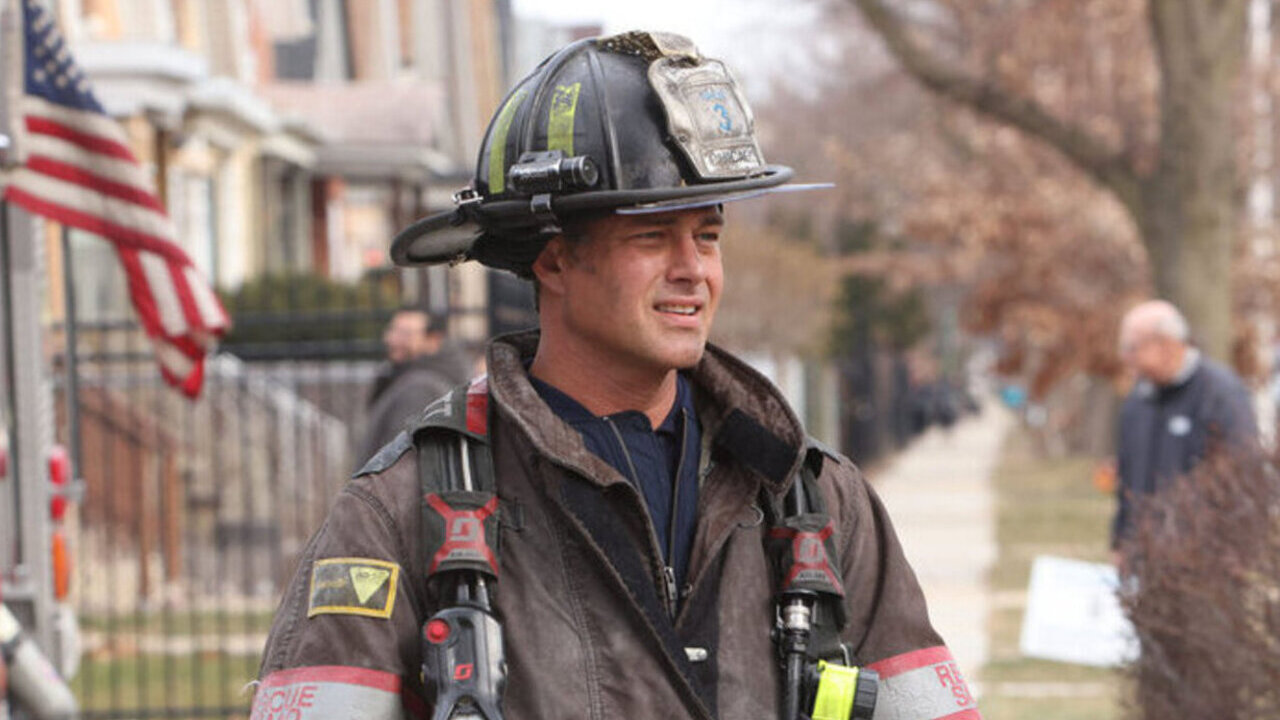
Unlike the explosive finales that came later, much of the episode felt quieter. The team responded to smaller calls, including a family rescue that leaned heavily into emotion instead of spectacle. It gave fans the illusion of a gentle wrap-up—until the show pulled the rug out in its final act.
The Fire That Changed Everything
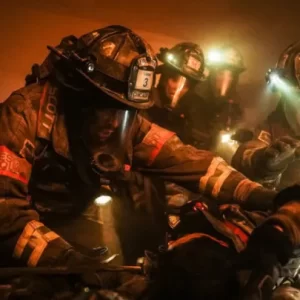
The calm didn’t last. Soon, the team was called to a massive warehouse fire—classic Chicago Fire territory. Flames roared, smoke billowed, and danger escalated by the second. But the heart of the story wasn’t the fire itself.
Inside the burning structure were a terrified father and his young son. Saving them wasn’t just another rescue. It became a desperate, all-or-nothing mission for Casey and his crew.
The Final Five Minutes: Pure Television Genius
What unfolded next has been called one of the best cliffhangers in network TV history.
The team made a final push into the blaze. Chaos reigned: radios crackled, commanders shouted orders, and the camera shook as if viewers were running inside with the firefighters. Tension built to an almost unbearable level.
Then it happened—the ceiling collapsed. Casey was left trapped inside. The father and son’s fate was left in terrifying question.
The episode ended not with victory, but with a haunting image: the firefighters outside watching in horror, unable to help as the building was consumed by flames. The screen faded to black, leaving millions of viewers stunned
Why This Cliffhanger Still Resonates
That finale redefined what Chicago Fire was capable of. Before then, procedural dramas often followed a safe formula: crisis, rescue, resolution. But “A Hell of a Ride” broke the rules. It reminded fans that not every story ends with a neat bow—and that no character was truly safe.
The brilliance of those final minutes wasn’t just in the spectacle. It was in the emotion. The scene forced audiences to sit with the brutal reality of firefighting: sometimes, despite every ounce of courage, the outcome is heartbreak.
A Legacy That Still Burns Bright
Even now, more than a decade later, that finale continues to cast a long shadow. Every Chicago Fire cliffhanger since has been measured against it. It cemented the show as more than just another procedural—it proved it could deliver drama with raw, human impact.
Thirteen years on, the final five minutes of Season 1 remain unmatched. They were shocking, devastating, and unforgettable. More importantly, they turned Chicago Fire into must-watch television and ensured its legacy would burn as brightly as the fires it depicts.